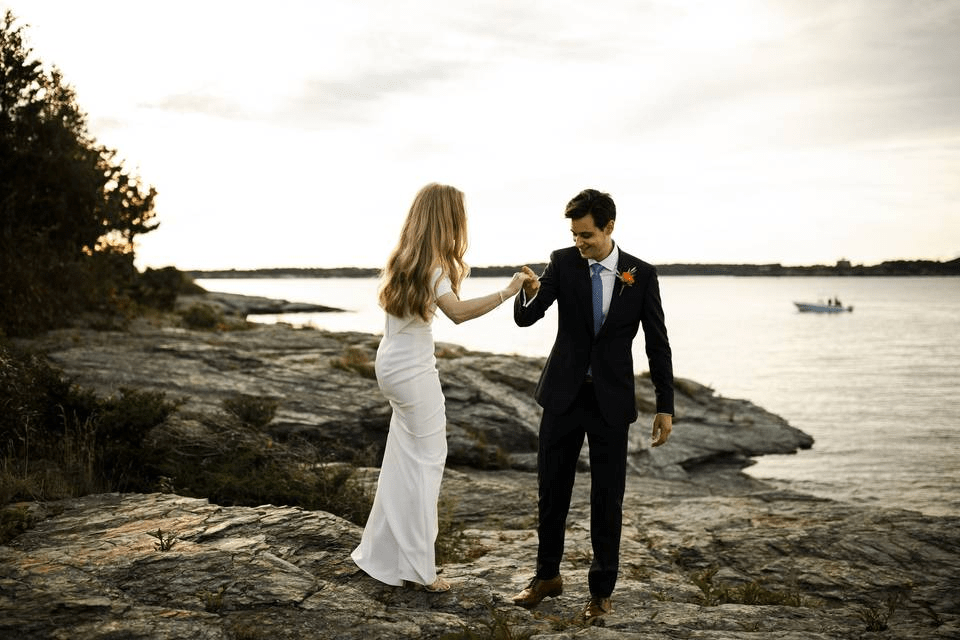
Breaking into the wedding photography industry can be both exciting and challenging. One of the most crucial elements for success is See this article having a strong, well-curated portfolio that showcases your style, skills, and ability to capture the magic of weddings. A compelling portfolio not only attracts potential clients but also establishes your credibility and professionalism.
Whether you’re just starting out or looking to revamp your existing portfolio, this guide will walk you through how to build a wedding photography portfolio that stands out and helps you grow your business.
Why a Wedding Photography Portfolio Matters
Your portfolio is your visual resume — it demonstrates to clients and vendors what you can deliver. Here’s why it’s vital:
First Impressions Count: Couples often browse portfolios first to decide if your style matches their vision.
Showcases Your Unique Style: It highlights your creative approach and technical expertise.
Builds Trust: A polished portfolio reassures clients that you can handle their big day professionally.
Helps Book More Weddings: A strong portfolio increases inquiries and bookings.
Step 1: Define Your Photography Style
Before assembling images, identify your unique style. Are you drawn to:
Romantic and soft-focused portraits?
Bold, vibrant, and high-contrast shots?
Documentary-style candid storytelling?
Moody, artistic compositions?
Knowing your style helps you select images that create a cohesive portfolio that appeals to your ideal clients.
Step 2: Start with Real Weddings
If you’re new, getting actual wedding shoots under your belt is key. Here’s how:
Second Shoot: Assist experienced wedding photographers as a second shooter to gain hands-on experience and images.
Styled Shoots: Collaborate with vendors (models, planners, florists) on styled sessions designed to simulate real weddings.
Friend or Family Weddings: Offer discounted or free coverage for close acquaintances to build your portfolio.
Engagement Sessions: Include engagement photos if they showcase your wedding style.
Real wedding images demonstrate your ability to work in the dynamic and emotional environment of an actual event.
Step 3: Select Your Best and Most Varied Images
Quality beats quantity. Choose only your strongest photos that highlight your skills in:
Capturing emotions and candid moments
Beautifully composed portraits of couples, families, and wedding parties
Details like rings, décor, florals, and venues
Ceremony highlights such as vows, first kiss, and processional
Reception fun, including speeches, dancing, and candid guest shots
Aim to present a diverse range of moments to show your versatility. Typically, a portfolio of 30-50 images strikes a good balance.
Step 4: Tell a Story Through Your Portfolio
Weddings are about storytelling — your portfolio should reflect that narrative flow:
Begin with preparation shots (bride getting ready)
Move into the ceremony (venue, vows, emotional moments)
Follow with portraits (couple and family)
Finish with reception highlights and candid fun
Sequencing images to mimic the wedding day gives potential clients a feel for how you capture their story from start to finish.
Step 5: Showcase Consistency and Editing Style
Consistency is crucial. Your editing should reflect your brand — whether that means bright and airy, warm and vintage, or rich and moody tones. Avoid mixing radically different editing styles within the same portfolio as it can confuse viewers.
Use subtle, professional editing to enhance images without over-processing.
Step 6: Create an Online Portfolio
In today’s digital age, an online portfolio is a must-have. Consider the following:
Professional Website: Use platforms like Squarespace, Wix, or WordPress with a clean, easy-to-navigate design.
Mobile Friendly: Ensure your site looks great on smartphones and tablets.
Organize by Category: Divide your portfolio into sections such as Ceremony, Portraits, Details, and Reception.
Optimize Loading Speed: High-resolution images are important, but balance file size for quick loading.
Add Client Testimonials: Positive reviews enhance credibility.
Step 7: Leverage Social Media and Online Communities
Platforms like Instagram, Facebook, and Pinterest are powerful tools for wedding photographers. Share your best work regularly and use relevant hashtags to reach engaged couples and vendors.
Engage with local wedding communities, participate in styled shoots, and collaborate with wedding vendors to expand your network and portfolio.
Step 8: Keep Updating Your Portfolio
Your portfolio should evolve as you grow and improve. Regularly review and replace older images with newer, stronger work. This continuous curation shows prospective clients that you’re active, current, and committed to your craft.
Step 9: Print a Physical Portfolio for Meetings
While digital portfolios dominate, having a beautiful printed portfolio for face-to-face meetings adds a personal touch. Choose a high-quality photo book that reflects your style and professionalism. This tactile experience helps build trust and leaves a lasting impression.
Step 10: Get Feedback and Refine
Ask trusted peers, mentors, or even past clients to review your portfolio. Constructive feedback can reveal strengths to highlight and areas needing improvement.
Use this input to fine-tune your portfolio until it truly represents the best of your work.
Bonus Tips for Aspiring Wedding Photographers
Network with Vendors: Strong vendor relationships can lead to referrals and styled shoot opportunities.
Practice Posing and Lighting: Mastery in these areas elevates the quality of your photos.
Invest in Education: Workshops and courses sharpen your technical and creative skills.
Stay Authentic: Let your personality and unique vision shine through your portfolio.
Conclusion
Building a wedding photography portfolio is a foundational step in establishing yourself in the competitive wedding market. By defining your style, showcasing real wedding moments, and presenting a well-organized, consistent collection of images, you position yourself as a trusted professional.
Remember, your portfolio tells the story not just of weddings you’ve captured but of the memories you can create for future clients. Keep evolving your work, stay passionate, and your portfolio will open doors to exciting opportunities in wedding photography.
 Site Title